
Concord Probate Records
Contra Costa County Superior Court processes all probate cases for Concord residents. Cities in California do not run probate courts. The county handles this function exclusively. When a Concord resident passes away, their estate goes through the county court in Martinez. The probate division sits at 725 Court Street in Martinez, about 10 miles northwest of Concord. This courthouse handles cases for all 19 cities in Contra Costa County. Office hours run Monday through Friday from 9:00 AM to 4:00 PM. Call 925-608-1000 for general information. The probate facilitator at 925-608-2066 helps people represent themselves. You can file documents in person or search records online.
Concord Probate Information
Contra Costa Probate Court
Contra Costa County Superior Court has exclusive jurisdiction over probate in Concord. The Martinez courthouse is the county seat. From Concord, take Highway 4 west to the Main Street exit. The courthouse is on Court Street near downtown. Public parking is available in lots and on the street.
The probate facilitator office helps people who represent themselves. Call 925-608-2066 or email probfac@contracosta.courts.ca.gov. They explain procedures and help with forms. They cannot give legal advice about your specific case.
Call 925-608-1000 for the main clerk line. Phone staff answer basic questions. Hold times vary. Calling early in the morning often means shorter waits.
Contra Costa uses Tyler Odyssey case management software. The online portal at odyportal.cc-courts.org lets you search by name or case number. View filed documents and upcoming hearing dates. Most records are available for free.
How to File Probate
Start with certified death certificates. Order several copies from Contra Costa County or the state. You need the original will if one exists. California requires wills be delivered to court within 30 days of death.
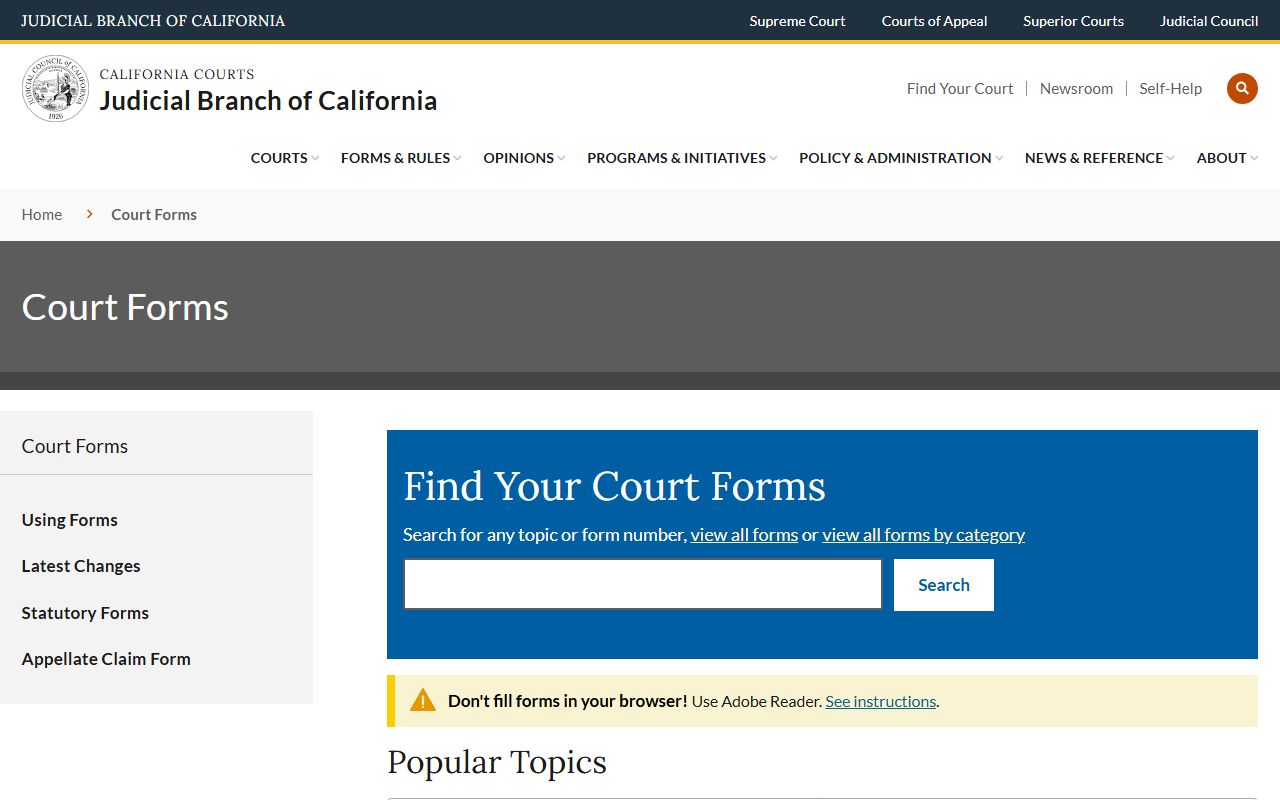
Fill out form DE-111, the Petition for Probate. Download it from courts.ca.gov. Provide information about the deceased, their property, and their heirs. Attach the death certificate and will.
Take your petition to the Martinez courthouse. File at the probate clerk window. The filing fee is $435. Pay by cash, money order, credit card, or debit card. Bring two copies of all documents. The clerk keeps originals and stamps your copies.
The court schedules your hearing about two months out. Publish notice in a newspaper serving Concord. Mail notice to all heirs and beneficiaries. File proof of publication and mailing before your hearing.
At the hearing, the judge reviews your papers. If everything is in order, you get Letters of Administration. These give you legal authority to handle estate assets. You can access bank accounts, sell property, and pay debts.
File an Inventory and Appraisal within four months. List all estate property and values. When ready to close the estate, file a final petition. Pay another $435 fee. Attend a final hearing. The judge approves distribution to heirs.
Small Estate Procedures
Estates worth less than $208,850 may qualify for simplified procedures. This threshold applies to deaths on or after April 1, 2025. Personal property like bank accounts, vehicles, and stocks count toward this limit.
Use form DE-310 for personal property under the limit. Wait 40 days after the death. Fill out the affidavit. Present it to banks or other holders of assets. They must release the property to you. No court filing is required for personal property.
Real estate worth less than $80,925 uses form DE-305. File this with the probate court. Pay a $50 filing fee. The court issues an order in a few weeks. Use the order to transfer the property deed.
Assets held in joint tenancy transfer automatically to the surviving owner. Beneficiary designations on life insurance and retirement accounts bypass probate entirely.
Note: Threshold amounts adjust every three years. Verify current limits before filing.
Getting Legal Assistance
The Contra Costa County probate facilitator provides free help to people representing themselves. Visit the Martinez courthouse or call 925-608-2066. Staff can explain forms and procedures. They cannot represent you or give legal advice.
Contra Costa Senior Legal Services assists people age 60 and up. Call 925-609-7900. They help with wills, trusts, and probate matters. Some services are free. Others use a sliding fee scale based on income.
Bay Area Legal Aid serves low-income residents. Call 800-551-5554 for intake. They handle various civil legal matters including probate. Eligibility depends on income and assets.
The Contra Costa County Bar Association runs a lawyer referral service. A consultation fee gets you a meeting with a probate attorney. You can then decide whether to hire that lawyer or look elsewhere.
Concord has public libraries with legal reference materials. The main library on Salvio Street stocks forms and self-help books. Librarians can help you find resources but cannot interpret legal documents.
Finding Probate Cases
Use the online portal to search by name. Last name first works best. Try different spellings if your first search finds nothing. Women may appear under maiden or married names. Check both if you are not sure.
Case numbers give exact results. If you have a case number, enter it completely. Include all letters, numbers, and dashes. The format is specific.
Cases from decades ago may not be online. Call the clerk at 925-608-1000 to ask about archived records. Staff can search old files. This takes time. Visit in person if you need faster service.
Not every death creates a probate case. Small estates use simpler procedures. Joint accounts transfer without court. Assets with named beneficiaries avoid probate. Living trusts bypass the court system.
Other Contra Costa Cities
These cities also use Contra Costa County Superior Court: Antioch, Richmond, and Fairfield. All probate cases go to Martinez.
Adjacent counties include Alameda County to the south, Solano County to the north, and San Joaquin County to the east. Each operates its own court system.