
Probate Court Records in Tuolumne County
Tuolumne County processes probate cases at the Superior Court located at 41 West Yaney Avenue in Sonora. This courthouse handles all estate administration for county residents, including wills, trusts, conservatorships, and guardianships. The clerk office is open during regular business hours. You can call 209-533-5555 to ask about a case or get information on filing procedures. Probate records are available for public inspection. Staff can help you locate case files, order copies of documents, or answer questions about the court process. Tuolumne County is in the Sierra Nevada foothills near Yosemite National Park. The area has a mix of permanent residents and vacation property owners.
Tuolumne County Probate Quick Facts
Tuolumne Superior Court Probate
The courthouse sits at 41 West Yaney Avenue in Sonora, CA 95370. This is the only court location in Tuolumne County. All probate filings for the county go through this office.
Visit tuolumne.courts.ca.gov for local court information. The website includes probate notes that explain local procedures and requirements. These notes supplement the standard California probate rules. Reading them before you file helps you avoid mistakes that could delay your case.
Sonora is the county seat and largest town in Tuolumne County. The area is known for Gold Rush history and mountain scenery. Many estates here include vacation cabins, timberland, and mineral rights in addition to standard residential property and financial accounts. This can make asset valuation more complex than in urban counties.
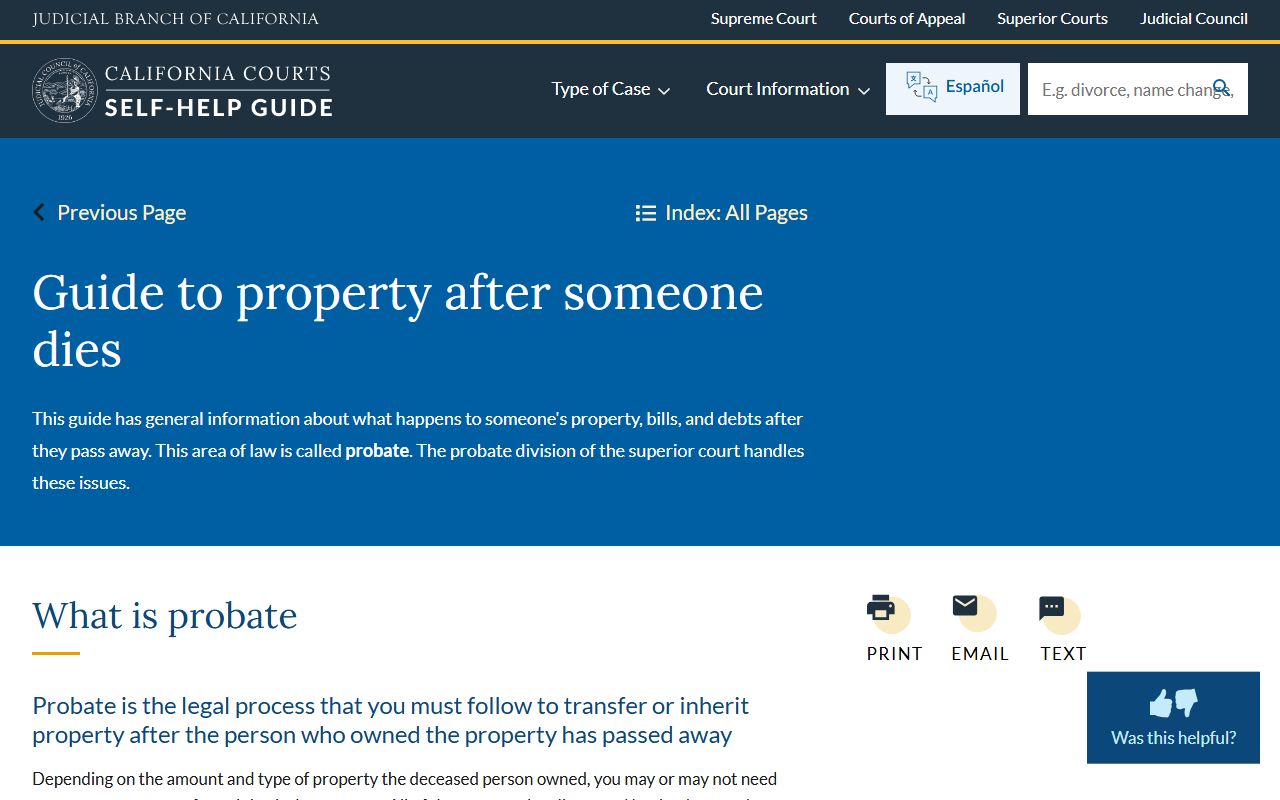
The state self-help website at selfhelp.courts.ca.gov/probate walks through the entire probate process. It covers when you need to go to court and when you can use simpler procedures. The site has videos and plain-language guides that make California probate law easier to understand.
Filing Estate Cases
Start with a certified death certificate. You must attach this to any probate petition. Get copies from the Tuolumne County recorder or order online from the California Department of Public Health. Allow a few weeks for delivery if ordering by mail.
Complete form DE-111, the Petition for Probate. This form is used throughout California. Fill in details about the deceased person, their relatives, and their property. Attach the original will if one exists. The court needs to see the actual document, not a copy.
Take your completed petition to the clerk office at 41 West Yaney Avenue. The filing fee is $435. This is set by state law and applies in all California counties. Pay by check or money order. Ask if the court accepts credit cards, as some locations charge extra fees for card payments.
The clerk assigns a case number and schedules your first hearing. This is usually six to eight weeks from the filing date. You must give notice to all interested parties before the hearing. Notice requirements include newspaper publication and direct mailing to heirs and beneficiaries.
Publish notice in a Tuolumne County newspaper approved for legal notices. Publication runs once per week for three weeks. The newspaper files proof of publication with the court. You also prepare and mail individual notices to everyone listed in your petition. Keep track of who you notified and when.
Probate Forms for Tuolumne County
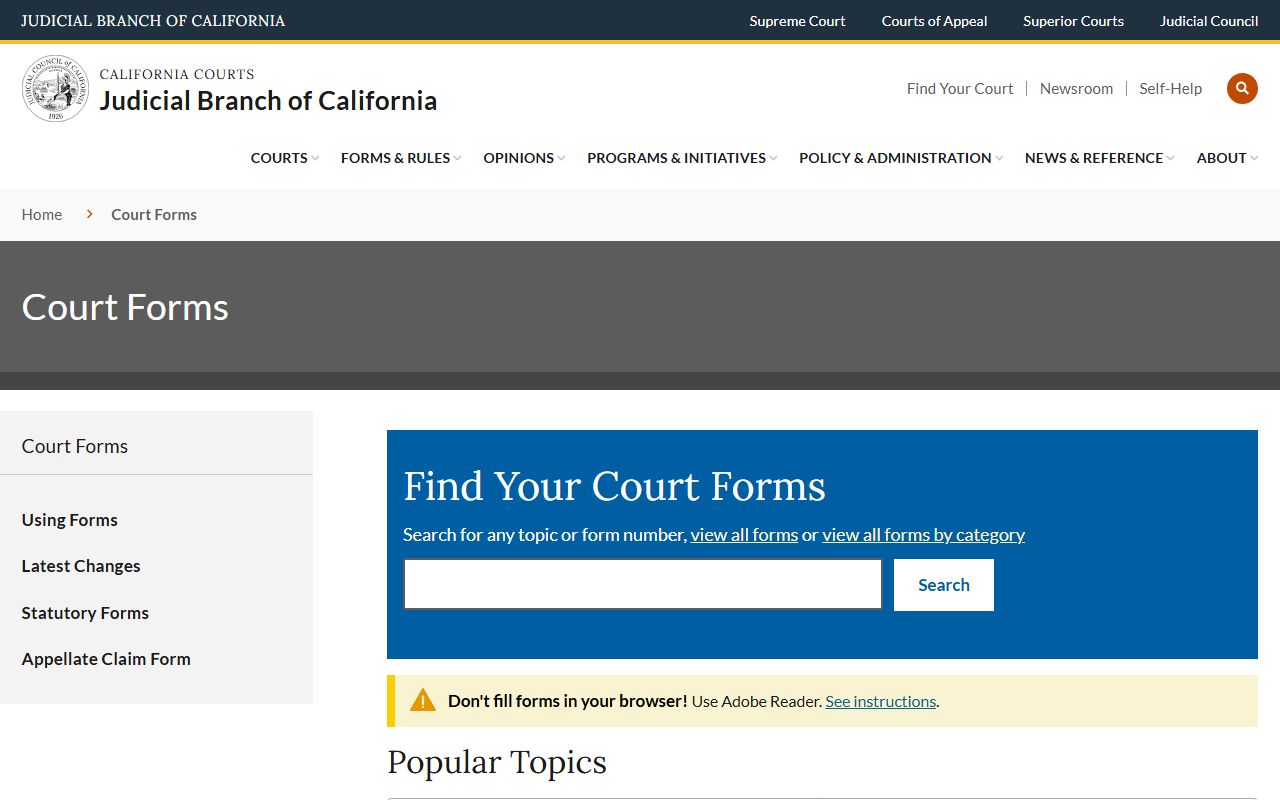
All California probate forms are available at courts.ca.gov/forms. Look for forms in the DE series. These cover every step of the probate process from filing the initial petition through final distribution.
Form DE-111 starts the case. Form DE-140 is the order the judge signs at your first hearing. Form DE-150 is the Letters that give you authority to act. Form DE-160 is your inventory listing all estate assets. Many other forms exist for specific situations like selling real estate or handling creditor claims.
Most forms include instructions. Follow these carefully. The instructions tell you what information to provide and how to serve or file the completed form. Taking time to read instructions prevents errors that could delay your case.
Tuolumne County may have local forms or requirements in addition to the statewide forms. Check the court website or ask the clerk about local rules. Some counties want extra copies of certain documents. Others have special procedures for hearings or filings.
Avoiding Full Probate
Many Tuolumne County estates qualify for simplified procedures. California allows small estate affidavits for estates under $208,850 in value. This threshold applies to deaths on or after April 1, 2025. It adjusts every three years for inflation.
Wait 40 days after death. Then prepare form DE-310 for personal property or form DE-305 for real estate worth less than $69,617. These forms are not filed with the court. You take them directly to whoever holds the asset.
Banks, credit unions, and other financial institutions must honor valid small estate affidavits. They transfer accounts to the person named in the affidavit. This process skips court hearings and long waiting periods. Most small estates close within two or three months.
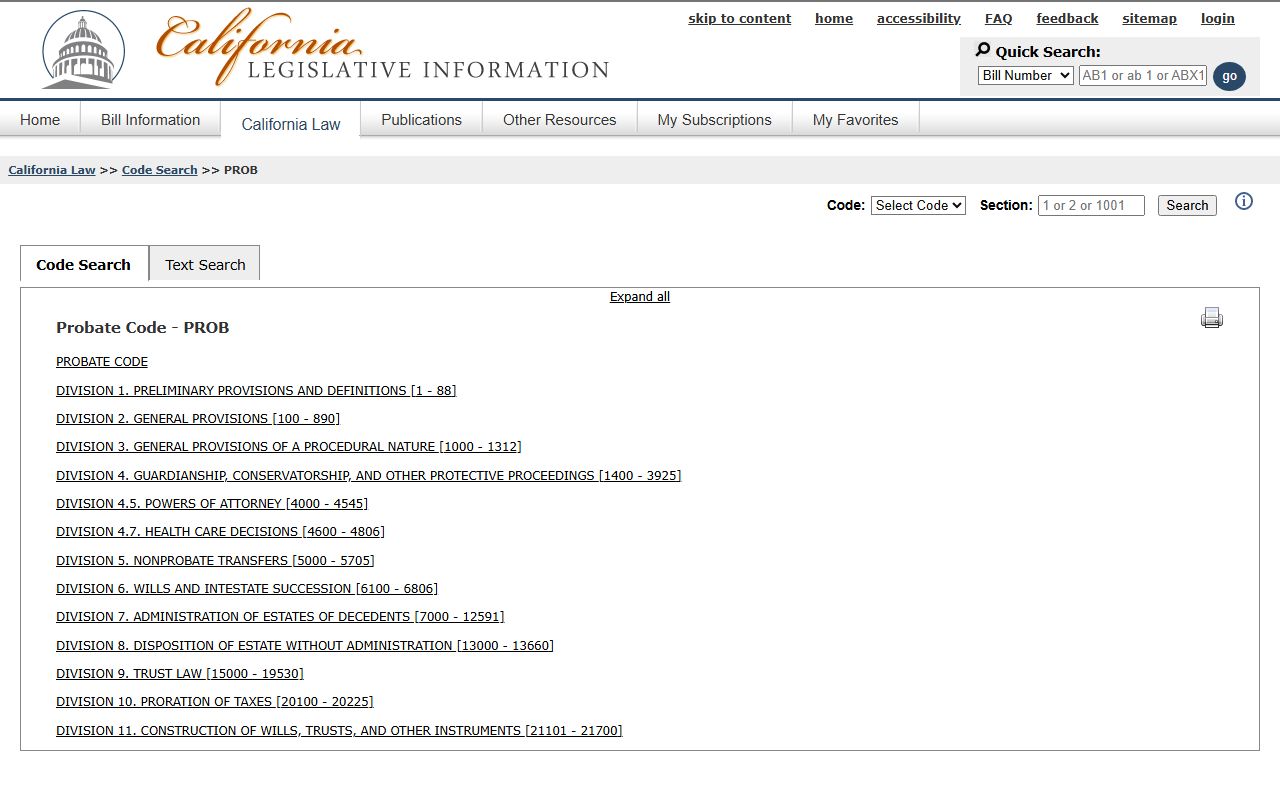
The California Probate Code spells out small estate rules in sections 13100 through 13210. Reading the actual statutes helps you understand what qualifies and what steps you must take. The code applies statewide, so Tuolumne County follows the same rules as every other California county.
Real property in mountain areas can be hard to value. Vacation cabins and rural land may not have recent comparable sales. Consider hiring an appraiser if you are unsure whether real estate falls under the small estate threshold. An accurate appraisal protects you from claims that you used the wrong procedure.
Note: You must sign the affidavit under penalty of perjury. Provide truthful and complete information. False statements on a small estate affidavit can result in criminal charges.
Finding Legal Assistance
Probate can be confusing. Hiring a lawyer is often worth the cost, especially for estates with multiple heirs or complicated assets. Tuolumne County has local attorneys who handle probate. The State Bar of California runs a referral service at 866-442-2529.
California law sets maximum fees that attorneys can charge in probate cases. The fee is based on estate value. For a $200,000 estate, the statutory fee is about $7,000. The executor also gets this amount for their work. Attorneys may agree to charge less for simple cases.
Legal aid organizations help low-income residents with legal problems. Some programs assist with probate and estate matters. The court clerk may have information about local legal aid services. You can also search online for legal services programs in the Central Sierra region.
The court cannot give you legal advice. Staff can tell you what forms to use and where to file them. They cannot tell you what to write on the forms or what action to take in your case. This rule protects you by ensuring court staff remain neutral.
How Long Probate Takes
A basic probate case in Tuolumne County takes about a year. Complex cases run longer. Several factors affect timing. Court scheduling determines your hearing dates. Notice requirements add weeks to the process. Collecting and selling assets takes time.
After your first hearing, you have 120 days to file an Inventory and Appraisal. During administration, you pay estate debts and file tax returns. When everything is ready, you file a final petition and schedule a closing hearing. After the judge approves final distribution, you can pay beneficiaries and wrap up the estate.
Small estate affidavits work much faster. Most close in two or three months. This makes them very attractive when the estate qualifies. Check the threshold carefully to see if you can skip formal probate.
Nearby Counties
Tuolumne County is in the Sierra Nevada foothills. Neighboring counties include Calaveras County, Stanislaus County, Mariposa County, and Mono County. Each county has its own Superior Court. File probate cases in the county where the decedent lived at the time of death.