
Torrance Probate Records
Probate court records for Torrance residents are handled by Los Angeles County Superior Court. The city of Torrance does not maintain a probate division or court. California law puts all probate jurisdiction with county Superior Courts. When a Torrance resident dies, their estate case must be filed at the Los Angeles County probate division downtown. This includes wills, estate administration, conservatorships, and guardianships. The probate division operates from the Stanley Mosk Courthouse at 111 North Hill Street in Los Angeles, Room 112. This is the central location for all probate matters in Los Angeles County, which includes Torrance and 87 other cities.
Torrance Probate Information
Los Angeles County Probate Division
Torrance is part of Los Angeles County. All probate cases for Torrance residents go to Los Angeles County Superior Court. The probate division is downtown at the Stanley Mosk Courthouse. Drive north on the Harbor Freeway (110) to reach downtown Los Angeles from Torrance, about 20 miles.
The clerk office is in Room 112 on the first floor. Hours are Monday through Friday, 8:30 AM to 4:30 PM. Call 213-830-0850 for general questions. The court accepts walk-ins without appointments during business hours.
Los Angeles County runs an online case portal. Search probate cases at lacourt.org. Type in the person's name or case number. The system shows filed documents, hearing schedules, and case status. You can also access records through lacourt.ca.gov.
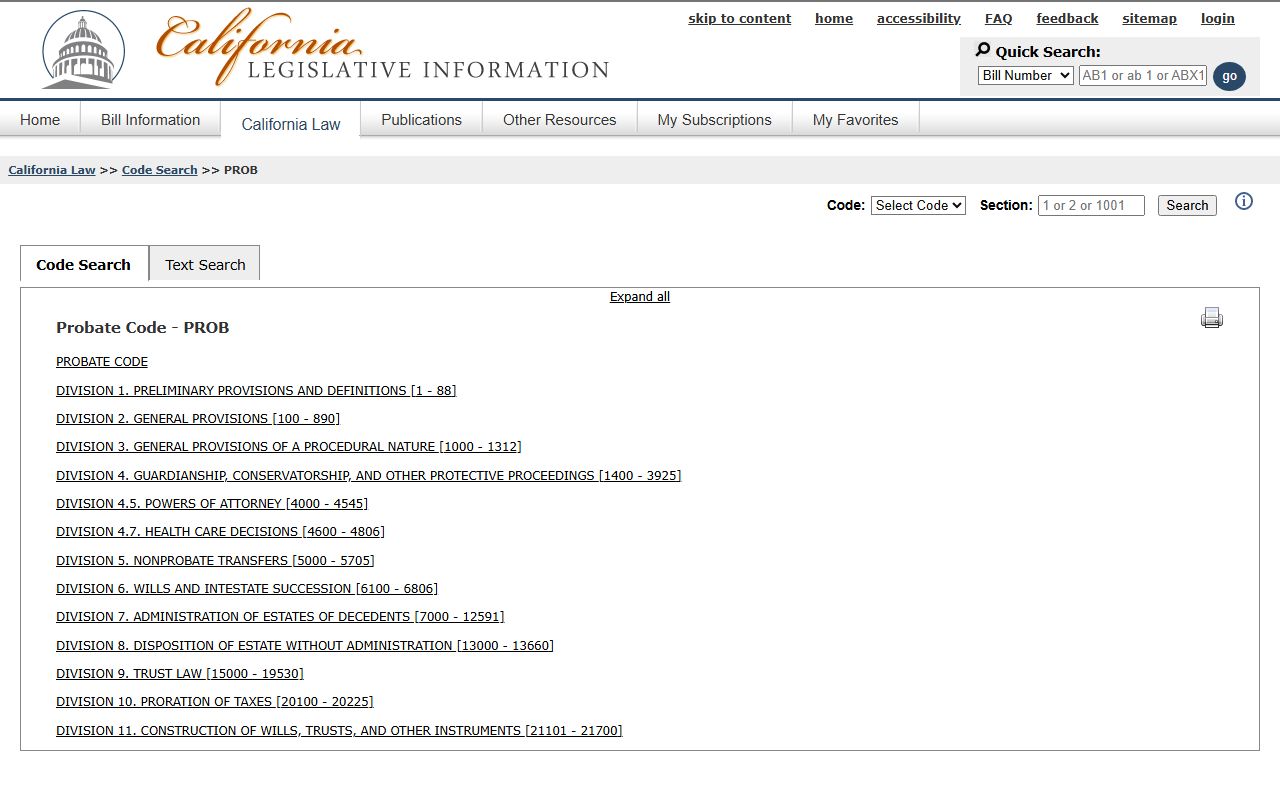
Attorneys must file electronically in Los Angeles County probate cases. This became mandatory in June 2017. People representing themselves can still file paper documents in person or by mail. Bring paperwork to the clerk window during regular hours.
Opening a Probate Case
To start probate for a Torrance resident, file form DE-111 at the downtown courthouse. This is the Petition for Probate. Attach a certified death certificate and the original will if one exists. The filing fee is $435. Pay by cash, check, money order, or credit card.
After filing, the court schedules a hearing about six to eight weeks later. You must publish notice in a newspaper. The Daily Breeze serves the Torrance area. You also mail notice to all heirs and anyone named in the will. File proof of publication and mailing before your hearing date.
At the hearing, the judge reviews your petition. Most hearings last only a few minutes if everything is in order. The judge asks basic questions and reviews supporting documents. If approved, you receive an Order for Probate and Letters of Administration. These letters prove your authority to act for the estate.
You must file an Inventory and Appraisal within four months. List all estate property including real estate, bank accounts, investments, vehicles, and personal items. A court-appointed referee appraises non-cash assets. When the estate is ready to close, file a final accounting and petition for distribution. This requires another hearing and another $435 fee.
Small Estate Procedures
Many Torrance estates qualify for simplified procedures. If the total estate value is under $208,850, you can use a small estate affidavit instead of full probate. This threshold went up on April 1, 2025. It changes every three years based on inflation.
For personal property, use form DE-310. This covers bank accounts, stocks, cars, and household items. Wait 40 days after death, then present the completed affidavit to banks or other asset holders. They must release the property to you without a court order. For real estate under the threshold, use form DE-305 and record it at the county recorder office.
Assets with named beneficiaries avoid probate entirely. Life insurance pays directly to beneficiaries. Retirement accounts transfer to named persons. Bank accounts with payable-on-death designations transfer automatically. Real estate in a living trust or held as joint tenants skips probate court.
Legal Help for Torrance Residents
The Superior Court runs a self-help center at the Stanley Mosk Courthouse on the first floor. Staff help with forms and basic procedures. They do not give legal advice about your specific case. The center is open during regular court hours.
Legal aid organizations serve Torrance residents. Bet Tzedek Legal Services offers free help with wills, powers of attorney, and probate matters. Call them at 323-939-0506. Legal Aid Foundation of Los Angeles helps low-income people at 800-399-4529. Neighborhood Legal Services can be reached at 800-433-6251.
The Los Angeles County Bar Association runs a lawyer referral service. Call 213-243-1525 to get connected with a probate attorney. The first consultation is often free or reduced cost. Most probate attorneys charge a percentage of the estate value based on California's statutory fee schedule.
Torrance Public Library has legal reference materials and computers with internet access. Find probate forms at courts.ca.gov/forms.htm. The California Courts Self-Help Guide at selfhelp.courts.ca.gov/probate explains each step in detail.
Death Records
Probate cases require certified death certificates. Get them from Los Angeles County Registrar-Recorder or the California Department of Public Health. The county office is at 12400 East Imperial Highway in Norwalk. Call 562-462-2137 for information. Certified copies cost about $28 each.
Order online through the county website for convenience. Processing takes one to two weeks for recent deaths. The state office in Sacramento handles all California death records. Mail requests to P.O. Box 997410, Sacramento CA 95899-7410. State processing takes longer, usually three to four weeks.
Order multiple certified copies. Each bank, insurance company, and government agency needs its own certified copy. Most estates need at least three to five copies.
Other LA County Cities
These nearby cities also use Los Angeles County probate court: Los Angeles, Long Beach, Carson, Inglewood, Hawthorne, Santa Monica, Redondo Beach, and Manhattan Beach. For adjacent Orange County, see Orange County.
Note: Hawthorne, Redondo Beach, and Manhattan Beach have populations under 100,000 but are mentioned here as neighboring communities.
Finding Probate Cases
When searching the online system, try different name variations. Search by last name only. Try with and without middle initials. Some people use nicknames in daily life but legal documents show their full legal name. Women may have cases under maiden names or married names.
Los Angeles County probate case numbers follow a specific format. If you have a case number from paperwork, enter it exactly as shown. Include all letters, dashes, and numbers. The system requires exact matches.
Older probate cases may not appear online. The county digitized recent decades but very old cases may only exist in paper files. For estates from the 1980s or earlier, contact the clerk office directly. Archived record retrieval takes extra time.
If you cannot find a case, it might not exist. Not all deaths result in probate filings. Small estates use affidavits. Assets with beneficiaries transfer outside court. Living trusts avoid probate completely. Some estates have no assets requiring probate administration.