
Imperial County Estate Records
Imperial County probate court records are maintained by the Superior Court in El Centro at 939 West Main Street. The probate division processes all estate matters for county residents and property owners, including wills, estate administration, conservatorships, and guardianships. Office hours run Monday through Friday from 8 AM to 4 PM. You can reach the court by phone at 760-482-2200 during business hours. Imperial County offers an online case portal that lets you search probate records from home. The county borders Mexico and includes significant agricultural operations, which can affect estate valuations and property transfers during probate proceedings.
Imperial County Probate Quick Facts
Online Case Access
Imperial County runs an online portal for probate case searches. Visit ecourt.imperial.courts.ca.gov to look up cases by name or number. The system shows filed documents, hearing dates, and case status for both open and closed matters.
You can view most documents through the portal without charge. Some documents require payment to download or print. Certified copies must be ordered through the clerk's office. The court processes certification requests in three to five business days.
The online system uses Tyler eCourt software. Create a free account to access full features. Without an account, you can still search cases but with limited viewing options. The portal works on computers, tablets, and phones.
For older records not in the electronic system, contact the clerk's office directly. Historical files may be stored offsite. Retrieval can take several weeks depending on the age of the case.
El Centro Courthouse
The courthouse sits on West Main Street in downtown El Centro. Public parking is available around the building. The probate division handles filings and inquiries at the clerk window.
Bring photo ID when visiting the courthouse. Security screening happens at the entrance. Allow extra time for this process. Large bags and certain items are not permitted inside.
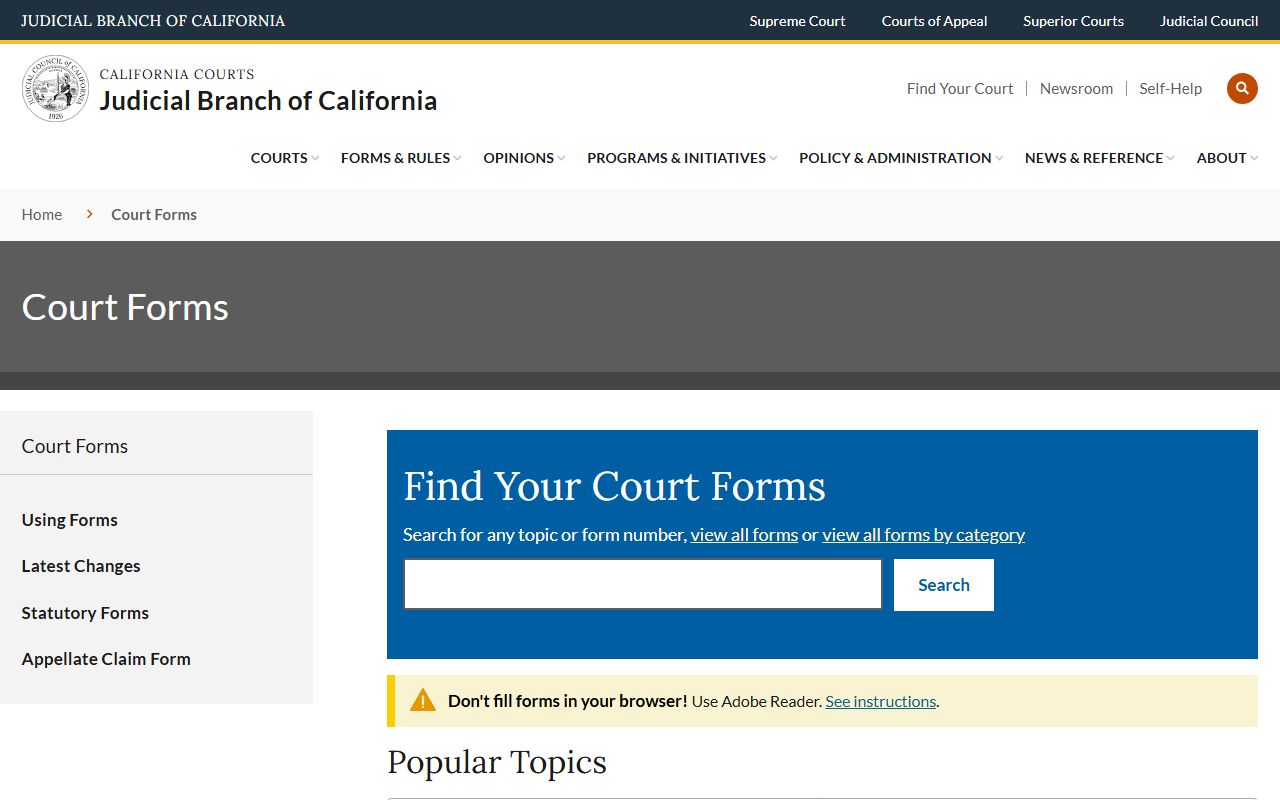
The court website at imperial.courts.ca.gov provides division information and resources. Check for holiday closures and schedule changes before making the trip. The site posts updates about court operations and any temporary service modifications.
Clerk staff can accept filings and answer basic procedural questions. They provide blank forms and process payments. They cannot give legal advice or tell you how to handle your specific case. For legal guidance, consult an attorney or use the court's self-help resources.
How to File Probate Cases
Begin probate by filing form DE-111, the Petition for Probate. Include a certified death certificate and the original will if one exists. Pay the $435 filing fee at the clerk window. Payments accepted include cash, check, or money order.
The court sets a hearing date after you file. Expect this to be six to eight weeks out. You must notify all interested parties before the hearing. Send written notice to heirs and beneficiaries by mail. Publish notice in an approved newspaper. The clerk can tell you which newspapers qualify.
File proof of notice before your hearing. The judge needs to see that everyone received proper notification. Missing or improper notice can delay your case. Follow the instructions carefully to avoid problems.
At the hearing, the judge reviews everything you filed. The judge may ask questions about the estate or your ability to serve. If satisfied, the judge grants your petition and issues Letters. These documents authorize you to act for the estate. You can then access accounts, sell property, and pay debts.
Within four months of getting Letters, submit an Inventory and Appraisal on form DE-160. List every asset the estate owns. A court-appointed referee values most items. Real estate may need separate professional appraisals. The referee coordinates valuations and submits the completed inventory to the court.
Farm and Ranch Estates
Imperial County's agricultural base means many estates include farms and ranches. These properties need special handling during probate. Crop cycles, water rights, and equipment leases all affect estate administration.
If you inherit operating farmland, act quickly to maintain operations. Unharvested crops and livestock need immediate attention. You may need court permission to continue business activities during probate. File a petition explaining the situation and requesting authority to operate the farm or ranch.
Water rights in Imperial County carry significant value. Document all water allocations and transfer rights properly. These rights can be sold separately from land in some cases. The probate referee may need specialized help valuing complex water rights.
Equipment, livestock, and inventory also require valuation. Take photos and keep detailed records from day one. Loss or damage during probate can create disputes among heirs. Maintain insurance coverage on all estate property throughout the process.
Simplified Procedures
Estates valued under $208,850 may use simplified procedures. This threshold applies to deaths on or after April 1, 2025. Earlier deaths use lower amounts. Check which limit applies to your case based on the date of death.
Small estate affidavits work for personal property. Wait 40 days after death. Then present form DE-310 to whoever holds the property. They must release it to you without court involvement. This process skips formal probate entirely.
Real property under the limit uses a different form. Form DE-310 requires a court hearing but simplifies the process. You still file a petition and attend a hearing. However, the procedure is shorter than full probate.
Not every estate under the limit qualifies for simplified procedures. Complex situations may still need full probate. Consider hiring an attorney if you are unsure which process to use. Making the wrong choice can cost time and money.
Note: The small estate limit increases every three years per California Probate Code section 890.
Probate Forms and Costs
California uses standard Judicial Council forms statewide. Download them from courts.ca.gov or pick up copies at the courthouse. The DE series covers probate matters. The GC series handles conservatorships and guardianships.
The initial petition costs $435 to file. Final distribution petitions cost another $435. Certified copies run $40 plus 50 cents per page. Other miscellaneous fees apply to specific filings. Ask the clerk for a fee schedule.
Recording fees depend on what you need recorded. The County Recorder charges separately for deeds and title transfers. These fees are paid to the recorder's office, not the court.
Court-appointed referees charge fees based on asset values. The referee takes a percentage of appraised property values. This is paid from estate funds, not your personal money. The referee files a report showing fees charged.
Finding Legal Assistance
The California Courts self-help center at selfhelp.courts.ca.gov offers free resources. Find guides, forms, and videos explaining probate procedures. The site answers common questions and provides step-by-step instructions.
Legal aid may be available if you have limited income. Contact Legal Services organizations serving Imperial County to learn about eligibility. Some programs focus specifically on elder law and estate matters.
Private probate attorneys work on flat fees or hourly rates. Flat fees work well for straightforward cases. Hourly billing applies to complex or contested matters. Get fee quotes from several lawyers before hiring one. The State Bar referral service can provide names of local probate attorneys.
Cities in Imperial County
Imperial County includes El Centro, Calexico, Brawley, and Imperial. All probate cases for these cities file at the El Centro courthouse. The county does not have any cities with populations over 100,000.
Nearby Counties
For probate matters in neighboring counties, see: San Diego County, Riverside County, and San Bernardino County.