
Ventura County Probate Records
Ventura County handles all probate court records at the Juvenile and Probate Courthouse in Oxnard, located at 4353 East Vineyard Avenue. This facility processes estate cases, wills, trusts, conservatorships, and guardianships for the entire county. The court is open Monday through Friday from 8:00 AM to 4:00 PM. Contact the probate division at 805-289-8900 for case information or filing procedures. You can search probate cases online through the county court portal or visit in person to review files and obtain document copies. Ventura County has a substantial population spread across coastal cities and inland valleys, resulting in a steady volume of probate cases each year.
Ventura County Probate Quick Facts
Search Ventura Probate Cases Online
The Ventura County Superior Court maintains an online case portal at ventura.ecourt.com. This system lets you search probate cases by name, case number, or date filed. Results show basic case information, filed documents, and upcoming hearing dates. You can view many documents for free through the portal.
The court website at ventura.courts.ca.gov/divisions/probate provides detailed information about probate procedures in Ventura County. The site lists local rules, filing requirements, and contact information for the probate division. It also links to state resources and standard California probate forms.
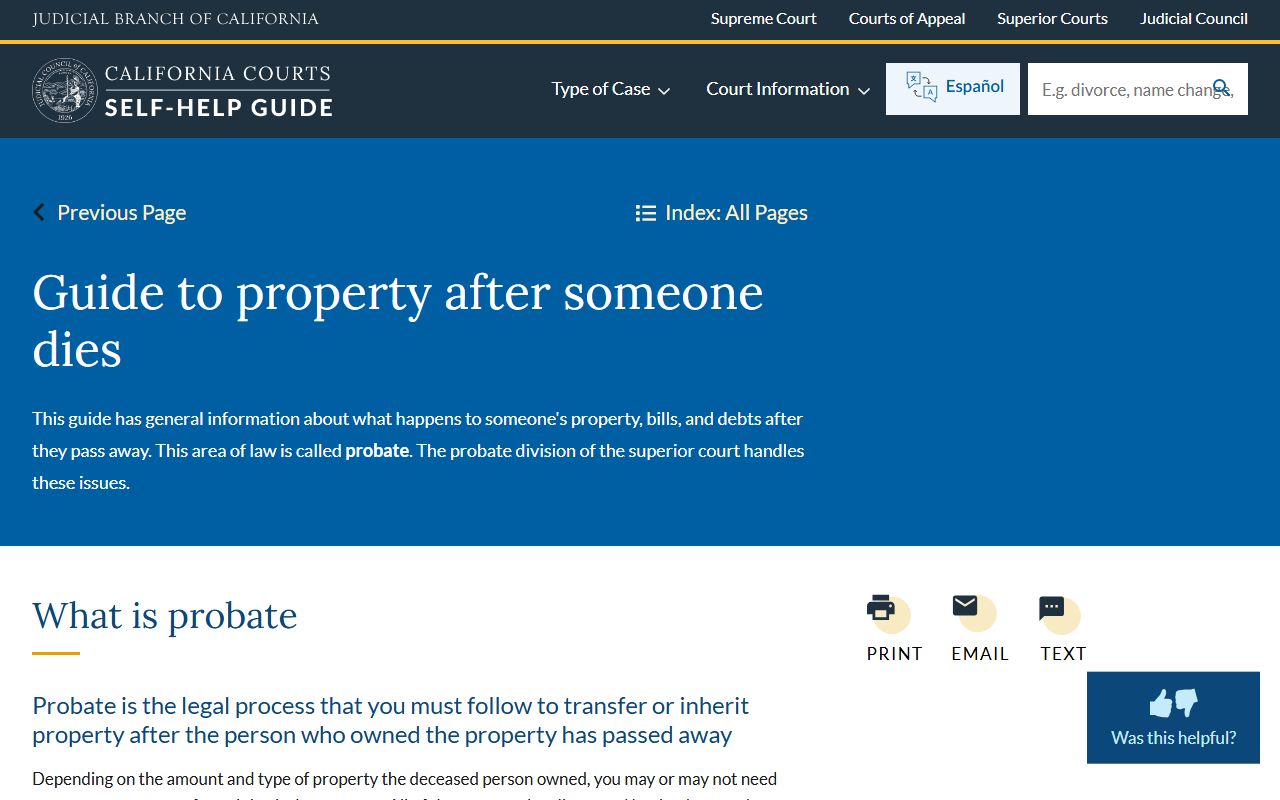
California's self-help center at selfhelp.courts.ca.gov/probate offers guides for handling probate cases without a lawyer. The site explains filing procedures, notice requirements, and timeline expectations. Instructions apply to all California counties, including Ventura. The site also covers small estate procedures that let many families avoid formal probate entirely.
Ventura County sits on the Pacific coast between Los Angeles and Santa Barbara counties. The county includes several large cities and extensive agricultural areas. Estate cases here range from simple personal property matters to complex estates involving real estate, business interests, and agricultural operations. The probate court handles hundreds of new cases each year.
How to File a Probate Case
Obtain certified copies of the death certificate before filing. You need this document to open any probate case. Order copies from the Ventura County recorder or the California Department of Public Health. Most people need three to five certified copies for various institutions and filings.
Complete form DE-111, the Petition for Probate. This is California's standard probate filing form. Provide information about the deceased person's name, date of death, residence, and property. List all known heirs and beneficiaries. Attach the original will if the person left one. The court keeps original wills in its permanent files.
File your petition at the Juvenile and Probate Courthouse at 4353 East Vineyard Avenue in Oxnard. The filing fee is $435. Pay by check, money order, or ask about credit card acceptance. The clerk assigns a case number and schedules your hearing about six to eight weeks out.
During the weeks before your hearing, complete all notice requirements. Publish notice in a newspaper that serves Ventura County. Publication runs once per week for three weeks. Mail notice directly to all heirs, beneficiaries, and anyone named in the will. File proof of service documents showing you completed these steps.
Appear at your scheduled hearing with all proof of service documents. The judge reviews your petition and supporting papers. If everything is proper, the judge signs the order and the clerk issues Letters of Administration or Letters Testamentary. These Letters give you authority to manage the estate and access accounts.
Note: The Oxnard probate courthouse is the only location that handles estate cases. All Ventura County probate matters file there regardless of which city the decedent lived in.
Managing the Estate
After you receive Letters from the court, you have 120 days to file an Inventory and Appraisal. This document lists every asset the deceased person owned. Real property requires an independent appraisal by a court-appointed probate referee. Personal property you can value yourself in most cases.
During estate administration, you collect assets, pay bills, and file tax returns. Keep detailed records of every transaction. You must account for all money that comes in or goes out. The court reviews your accounting when you petition to close the estate.
Creditors have four months from the date you first receive Letters to file claims against the estate. Review each claim carefully. You can reject improper or inflated claims. Creditors may challenge your rejection, which leads to a hearing. Pay valid claims from estate funds before distributing to beneficiaries.
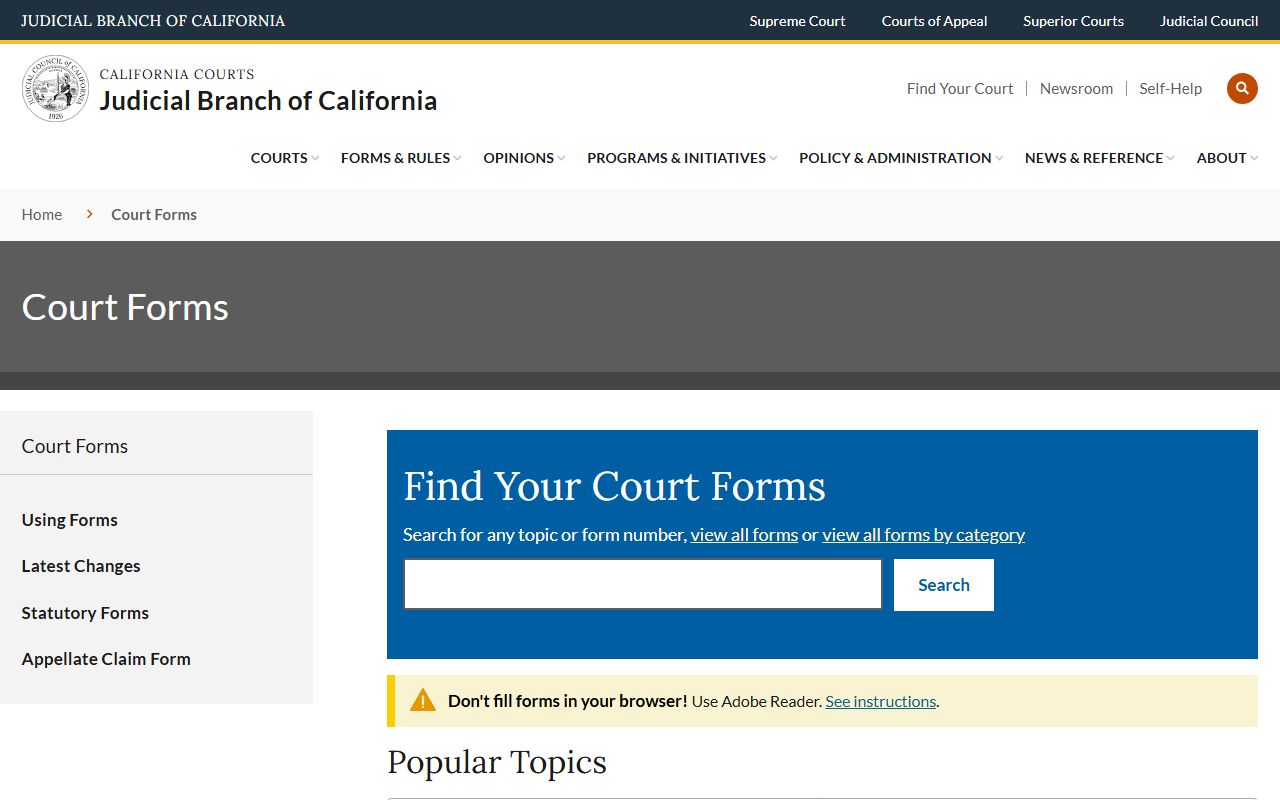
Find all necessary forms at courts.ca.gov/forms. The DE series covers probate filings. Form DE-160 is the Inventory and Appraisal. Form DE-221 handles creditor claims. Form DE-111 is used again at the end for your Petition for Final Distribution. Each form includes instructions explaining how to complete it.
Small Estate Procedures
Most Ventura County families qualify for small estate affidavits. California law allows simplified procedures for estates under $208,850 in value. This threshold applies to deaths on or after April 1, 2025 and adjusts every three years.
Wait 40 days after the date of death. Then complete form DE-310 for personal property or form DE-305 for real estate worth less than $69,617. You do not file these forms with the court. Take them directly to banks, the DMV, or title companies holding assets.
Institutions must transfer assets when you present a properly executed affidavit. This process skips court hearings, publication requirements, and long waiting periods. Small estates often close in two to three months compared to a year or more for formal probate.
Even large estates can use small estate procedures for some assets. For example, if the house is worth $500,000 but bank accounts total only $100,000, you might handle the house through formal probate while using an affidavit for the accounts. This hybrid approach saves time and fees.
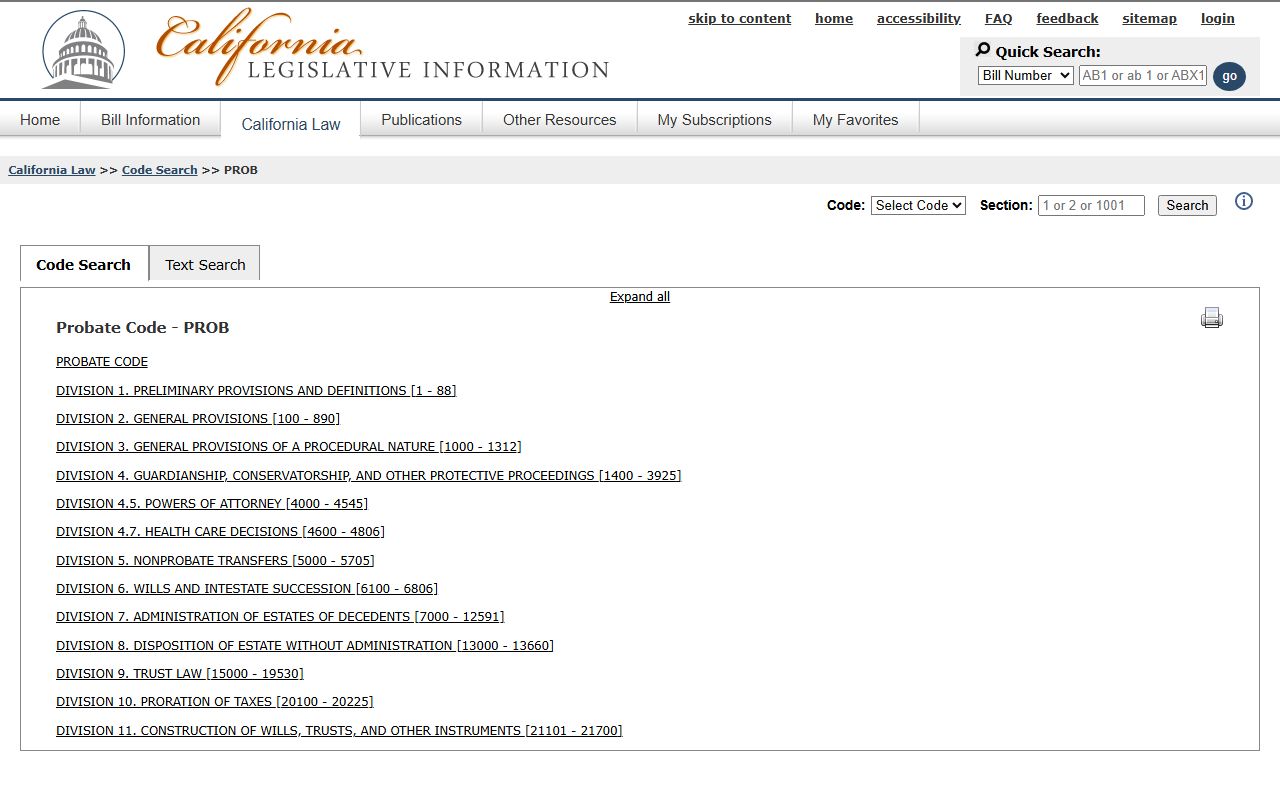
The California Probate Code sections 13100 through 13210 spell out small estate rules. These statutes apply statewide. Read them to understand exactly what qualifies and what information the affidavit must contain. Following the law protects you from liability and ensures institutions cooperate.
Getting Legal Help
Consider hiring a probate attorney for complex estates or contested cases. Ventura County has many experienced probate lawyers. The State Bar referral service at 866-442-2529 can provide names. Many attorneys offer free initial consultations to review your situation and quote fees.
California sets maximum statutory fees based on estate value. For a $400,000 estate, the statutory fee is $11,000. Both the executor and attorney can claim this amount. Many lawyers charge less for straightforward cases. Discuss fees upfront before hiring anyone.
Legal aid organizations help low-income residents with legal problems. Some programs assist with probate matters, especially for seniors. Contact the Ventura County Area Agency on Aging or search for legal services programs serving the county. Free or low-cost help may be available if you qualify.
The court self-help center can answer basic procedural questions. Staff cannot give legal advice or tell you how to handle your specific case. They help you locate forms and understand filing requirements. This service is free and available to everyone.
Major Cities in Ventura County
Ventura County includes several large cities. All probate cases for county residents file at the Oxnard courthouse regardless of which city the person lived in. Cities with populations over 100,000 include Oxnard, San Buenaventura, Simi Valley, and Thousand Oaks. Other cities like Camarillo, Moorpark, and Santa Paula have smaller populations but residents still file probate cases at the same courthouse in Oxnard.
Nearby Counties
Ventura County is located on the Southern California coast. Neighboring counties include Los Angeles County to the east, Santa Barbara County to the northwest, and Kern County to the north. File probate cases in the county where the decedent had their legal residence at the time of death. Property ownership in multiple counties may require ancillary probate proceedings.